The Reggio Emilia Approach in Fishers, IN: How to Choose a Reggio-Inspired Preschool at Dolce Early Learning Center
Quick Answer
Choosing a Reggio-inspired preschool in Fishers, IN means looking for a child-centered environment where children’s ideas guide learning. Families can focus on how teachers listen to children, design thoughtful spaces, and share learning through projects and documentation.
What Should You Look For When Touring a Reggio-Inspired Preschool?
Choosing a preschool often starts with tours, conversations, and a lot of questions. As you visit different classrooms in Fishers, IN, you may notice that some spaces feel more intentional, more connected, or more responsive to children than others.
If you are exploring a Reggio-inspired preschool, knowing what to look for can help you move beyond the labels and focus on how learning actually unfolds for children each day.
Children’s Ideas Shape the Learning
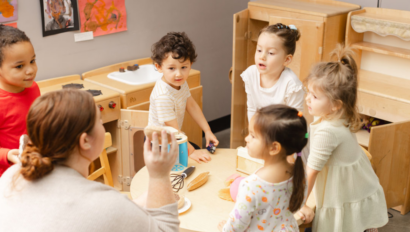
One of the first things to notice is how teachers talk about children. In Reggio-inspired classrooms, children are seen as capable, curious, and full of ideas.
You may hear teachers reference children’s questions or conversations when explaining current projects. Learning often begins with something children are already interested in, then grows through exploration, discussion, and collaboration over time.
This approach is closely connected to emergent curriculum, where teachers observe closely and plan learning experiences based on what children are wondering about, rather than following fixed themes.
Projects Go Deeper Than Daily Activities
Reggio-inspired programs often focus on long-term projects rather than short, disconnected activities. These projects may include art, science, storytelling, building, and problem-solving all connected to a shared idea.
When visiting a school, you might ask:
- How do projects begin and how long do they last?
- How do teachers decide what comes next?
- How are children involved in planning and reflecting?
Strong programs can show how projects evolve over time based on children’s thinking, not just the final result.
The Classroom Environment Invites Exploration
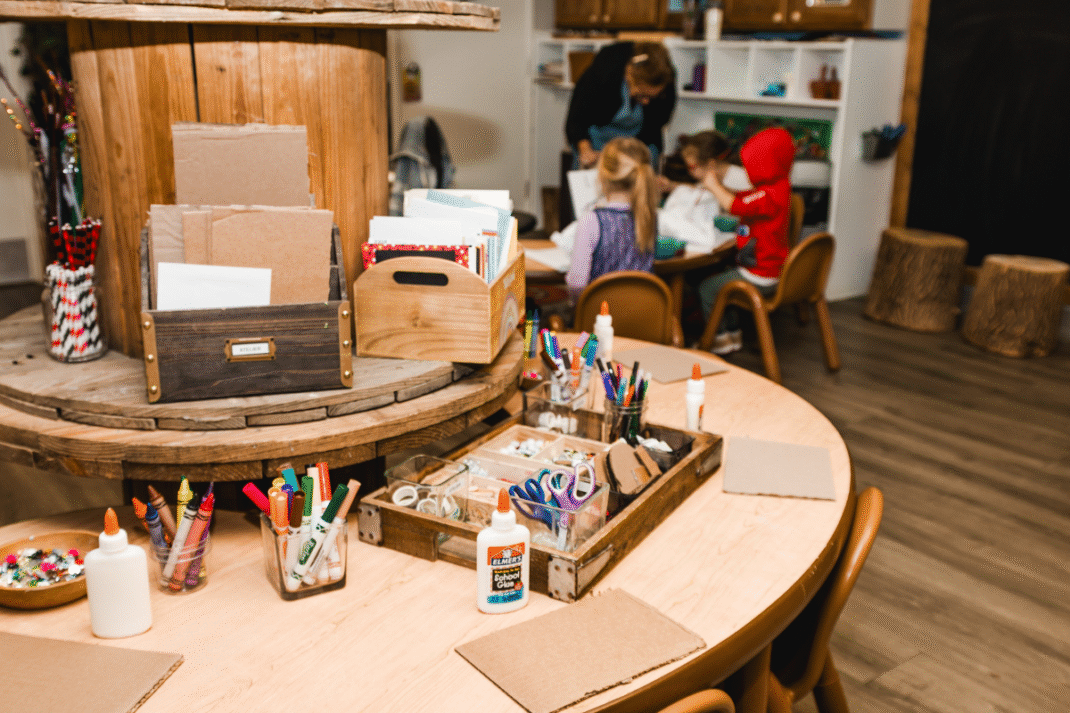
The physical space plays an important role in Reggio-inspired learning. Classrooms often feel warm, open, and thoughtfully arranged.
You may notice:
- Natural light, mirrors, plants, and neutral tones
- Open-ended materials like blocks, fabric, loose parts, and art tools
- Children’s work and thinking displayed at child and adult eye level
Rather than commercial posters, the walls often tell the story of children’s learning through photos, drawings, and quotes.
Teachers Learn Alongside Children
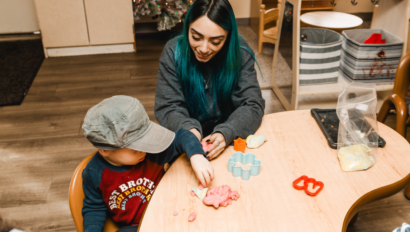
In Reggio-inspired classrooms, teachers act as partners in learning. They listen carefully, ask thoughtful questions, and help children reflect on their ideas.
During a tour, families often ask how teachers plan. Programs rooted in Reggio inspiration typically begin with observation and conversation rather than preset lesson plans.
Teachers may describe themselves as researchers, continually learning alongside the children in their care.
Families Are Part of the Learning Community
Reggio philosophy values strong relationships between school and home. Families are seen as important partners, not just observers.
You might ask:
- How are families kept informed about classroom projects?
- How is documentation shared and discussed?
- How does the school invite family perspectives into learning?
Many Reggio-inspired programs also connect learning to the local community through neighborhood walks, local experts, or shared projects connected to Fishers, IN.
Frequently Asked Questions
How do I know if a preschool is truly Reggio-inspired?
Look for child-led projects, thoughtful classroom environments, documentation of learning, and teachers who describe children as active participants in their learning.
Is Reggio-inspired learning structured enough for young children?
Yes. While learning is flexible, teachers provide clear routines, intentional planning, and guidance that supports focus, collaboration, and growth.
How are academic skills supported in Reggio-inspired programs?
Language, early math, and problem-solving skills develop naturally through projects, conversations, and hands-on exploration.
Will my child be ready for kindergarten?
Children build confidence, communication skills, and the ability to think deeply and work with others, which supports a smooth transition to kindergarten.
A Thoughtful Way to Learn and Grow
Reggio-inspired learning encourages children to think, explore, and build understanding through relationships and shared experiences. Seeing how children’s ideas shape the classroom can make the approach feel clear and tangible.
Schedule a tour to experience Reggio-inspired learning firsthand at Dolce Early Learning Center in Fishers, IN.
Related Posts
All Posts
What Makes Dolce’s Atelier Different From Every Other Preschool in Fishers
How Reggio-Inspired Preschools Build Curriculum Around Your Child in Fishers, IN